What’s your process for designing and developing a new website?
+
Our process begins with understanding your business goals, target audience, and brand identity. We conduct research and analysis, create wireframes and prototypes, and design a visually compelling layout. Development follows, integrating functionality, responsiveness, and optimization. Finally, we test the website thoroughly, ensure cross-device compatibility, and launch it with ongoing support for updates and improvements.
Why is a well-designed website important for my business?
+
A well-designed website establishes credibility, enhances user experience, and supports business growth. It serves as a digital storefront that communicates your brand identity, engages visitors, and converts them into customers. A professional, intuitive website builds trust and reflects the quality of your products or services.
What if I need to make changes or add features in the future?
+
Websites are designed to be flexible and scalable. We build websites with content management systems or custom solutions that allow you to update content, add new pages, and integrate additional features with minimal disruption. Our team also provides ongoing support and maintenance to ensure your website continues to evolve alongside your business needs.
Do you offer SEO services?
+
Yes, we provide comprehensive SEO services that include keyword research, on-page optimization, content strategy, technical SEO, and analytics tracking. Our goal is to improve your website’s visibility on search engines, attract relevant traffic, and enhance engagement and conversions through data-driven optimization.
How long does it typically take to see results from my brand’s new website?
+
Results depend on factors such as website complexity, competition, industry, and marketing efforts. Typically, improvements in user engagement and search engine visibility can be observed within a few weeks, while measurable SEO and conversion results may take three to six months. Consistent content updates, SEO, and marketing strategies accelerate these outcomes.
How do you ensure the website is mobile-friendly?
+
We follow a mobile-first design approach, prioritizing user experience on smartphones and tablets. Responsive layouts, adaptive images, touch-friendly elements, and optimized performance ensure that the website functions seamlessly across all devices. Mobile usability is tested rigorously to guarantee accessibility, speed, and intuitive navigation.
What is mobile-first design, and why does it matter?
+
Mobile-first design is an approach where the website is initially designed for mobile devices and then scaled for larger screens. With the majority of users accessing websites on smartphones, prioritizing mobile ensures optimal performance, usability, and engagement. It also positively impacts search engine rankings through mobile-first indexing.
How does website speed affect my business?
+
Website speed directly influences user engagement, conversion rates, and search engine visibility. Slow-loading pages frustrate users, increase bounce rates, and reduce revenue opportunities. Optimized websites provide faster load times, enhance user experience, and improve SEO performance.
What role does content strategy play in website success?
+
Content strategy ensures that every piece of content aligns with business goals and meets user needs. It involves planning, creation, delivery, and management of content to attract, engage, and convert visitors. A strong content strategy builds authority, fosters trust, and drives meaningful engagement.
How can testimonials enhance trust on my website?
+
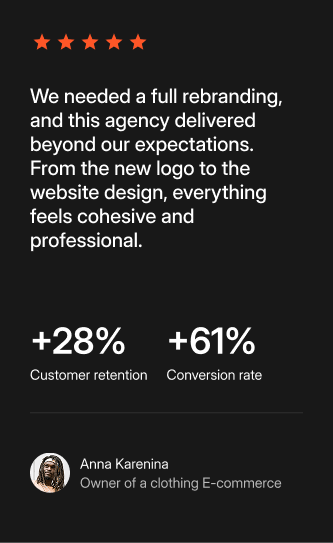
Testimonials provide authentic social proof by showcasing real customer experiences. They validate your claims, reduce perceived risk, and increase confidence in your brand. Featuring testimonials strategically across your website can improve engagement, conversion rates, and overall credibility.
Why is SEO important for my website?
+
Search engine optimization improves visibility on search engines, driving targeted traffic to your website. SEO includes keyword optimization, content quality, page speed, mobile performance, and user experience. A well-optimized website ranks higher, attracts relevant visitors, and increases opportunities for engagement and conversions.
How does website design influence user behavior?
+
Website design guides how users interact with content, navigate pages, and take action. Intuitive layouts, clear calls to action, and engaging visuals create a seamless journey that encourages exploration and conversions. Poor design, on the other hand, can lead to frustration, abandonment, and lost opportunities.
What is the importance of color psychology in web design?
+
Color psychology leverages the emotional impact of colors to influence user perception and behavior. Specific colors evoke particular emotions and responses, helping to communicate brand values, highlight calls to action, and guide user interaction. Thoughtful color choices enhance engagement and overall user experience.
How does accessibility affect my website?
+
Accessibility ensures that your website can be used by people with diverse abilities, including visual, auditory, cognitive, and motor impairments. Inclusive design increases reach, enhances usability for all users, strengthens brand credibility, and helps meet legal compliance requirements.
Why should I consider using interactive elements on my website?
+
Interactive elements such as forms, quizzes, calculators, and animations increase engagement and participation. They make user experiences more memorable, encourage exploration, and provide opportunities for personalized content delivery, ultimately supporting conversions and customer satisfaction.
How often should I update my website content?
+
Regular content updates are essential for maintaining relevance, SEO performance, and user engagement. Updating content ensures that information remains accurate, reflects evolving trends, and aligns with audience needs. Fresh content also signals to search engines that your website is active and authoritative.
What are Core Web Vitals, and why do they matter?
+
Core Web Vitals are performance metrics defined by Google that measure user experience aspects such as loading speed, interactivity, and visual stability. Optimizing for these metrics improves SEO rankings, user satisfaction, and website usability, creating a more reliable and engaging digital experience.
How can I make my website more engaging?
+
Engagement can be enhanced through intuitive navigation, compelling visuals, interactive elements, personalized content, and clear calls to action. A user-centric approach that anticipates visitor needs and simplifies decision-making ensures higher engagement, longer session durations, and better conversions.
How do 3D visuals and immersive content impact user experience?
+
3D visuals and immersive content enhance engagement by creating realistic, interactive experiences. They help users understand complex products, explore virtual environments, and connect emotionally with your brand. These elements increase memorability and differentiate your website in competitive markets.
Why is website analytics important?
+
Website analytics provide insights into user behavior, traffic sources, and engagement patterns. Monitoring metrics such as page views, bounce rates, conversions, and session durations enables data-driven decisions, optimization of content and design, and continuous improvement of the user experience.








 Selected work


 See pricing